The Power of Cloud Computing: Revolutionizing the Digital Landscape
- Sales@unametatech.com
- River Edge, NJ , USA 07661
oneMeta
August 1, 2025
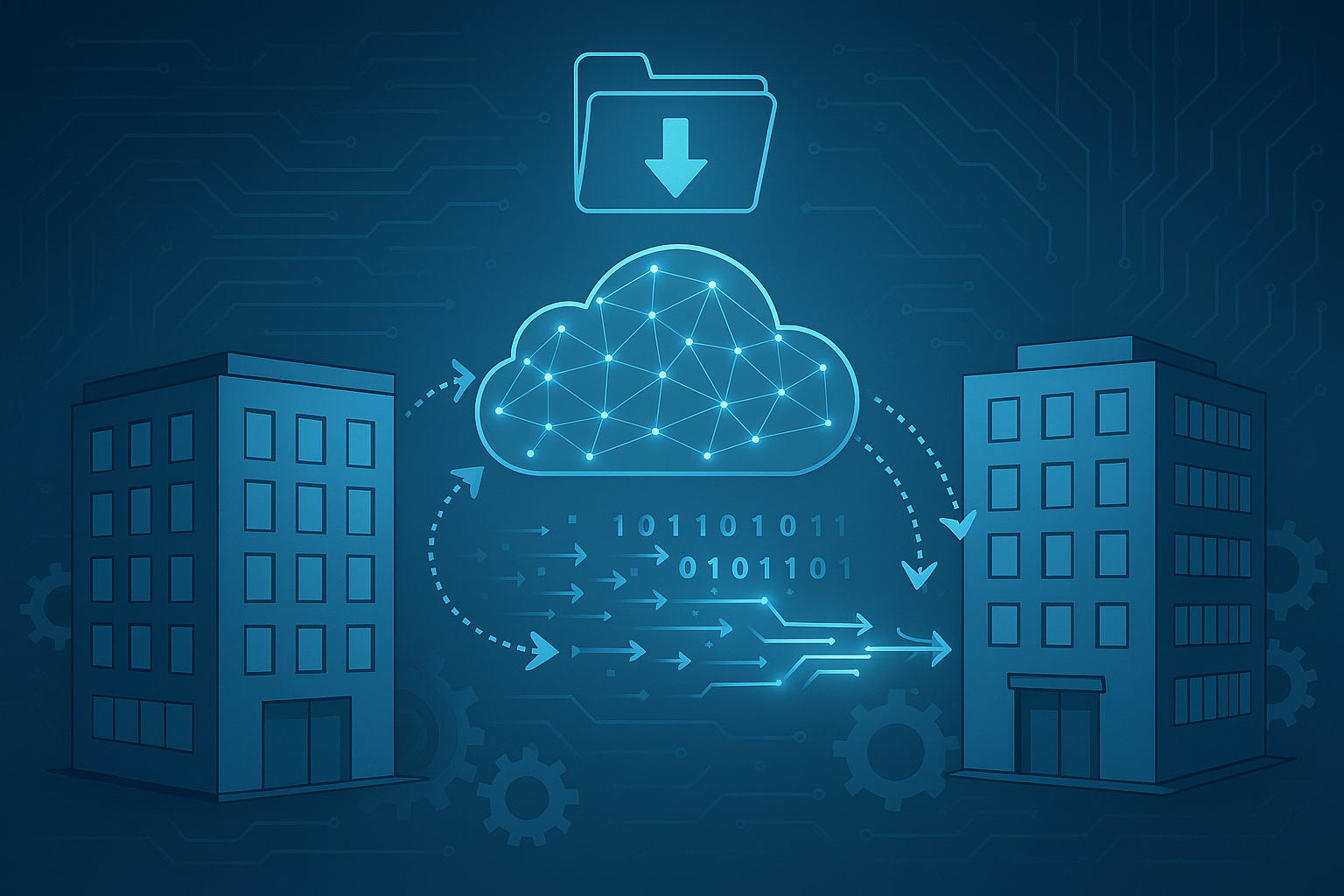
In today’s fast-paced digital era, cloud computing is more than just a buzzword—it’s the backbone of how businesses innovate, scale, and stay competitive. From startups to global enterprises, the cloud is transforming how we work, store data, and build the future.
At its core, cloud computing refers to delivering computing services—like servers, storage, databases, networking, software, and analytics—over the internet (“the cloud”). This eliminates the need for owning physical hardware or infrastructure and allows businesses to access everything on demand.
Whether it’s storing files on Google Drive or hosting large-scale apps on AWS or Azure, cloud computing makes it all possible with speed, scalability, and efficiency.
Cost Efficiency
No more hefty upfront costs for hardware or software. Cloud services operate on a pay-as-you-go model, making it especially attractive for startups and SMBs.
Scalability & Flexibility
Need more storage or computing power? Scale up (or down) instantly based on demand. Whether you’re experiencing seasonal traffic or launching a new app, the cloud adjusts with you.
Remote Access & Collaboration
The rise of hybrid and remote work owes a lot to cloud-based tools like Microsoft 365, Zoom, and Slack. With everything hosted in the cloud, teams can collaborate in real time—anytime, anywhere.
Automatic Updates & Security
Most cloud providers handle software updates and security patches, reducing the burden on in-house IT teams. Plus, top-tier providers invest heavily in cybersecurity, encryption, and compliance.
Healthcare: Secure storage and real-time access to electronic medical records.
Education: Cloud-based learning platforms like Google Classroom and Coursera.
Retail: E-commerce platforms use cloud infrastructure to handle spikes in traffic and manage vast customer data.
Finance: Cloud enables secure mobile banking, fraud detection, and algorithmic trading.
While the cloud offers numerous benefits, it’s not without its challenges:
Data Privacy Concerns
Companies must ensure sensitive data complies with regulations like GDPR and HIPAA.
Downtime Risks
Despite high reliability, no system is perfect. Unexpected outages can affect operations if contingency plans aren’t in place.
Vendor Lock-in
Switching providers can be complex and expensive. Choosing open, flexible platforms is key.
As technologies evolve, cloud computing is set to become even more intelligent and integrated. Here are some trends on the horizon:
Multi-Cloud and Hybrid Cloud Models
Businesses are combining public, private, and on-premises solutions for greater flexibility.
Edge Computing
Processing data closer to the source (e.g., IoT devices) reduces latency and boosts performance.
AI-Powered Cloud Services
Cloud providers now offer built-in AI/ML capabilities, making it easier to automate, analyze, and innovate.



Cloud computing is no longer optional—it’s essential. As more industries move operations to the cloud, the technology will continue to redefine what’s possible in the digital world. Whether you’re an entrepreneur building your first app or a CIO managing global infrastructure, the cloud is your gateway to innovation, agility, and success.

At UnametaTech, we help businesses grow by building the right technology solutions. From cloud setups and automation to AI and digital workplaces, we bring over two decades of hands-on experience to every project. Our goal is simple: solve real problems and deliver results that matter.
© 2025 unametatech. Pvt. Ltd. All Rights Reserved.