The Power of Cloud Computing: Revolutionizing the Digital Landscape
- Sales@unametatech.com
- River Edge, NJ , USA 07661
oneMeta
July 31, 2025
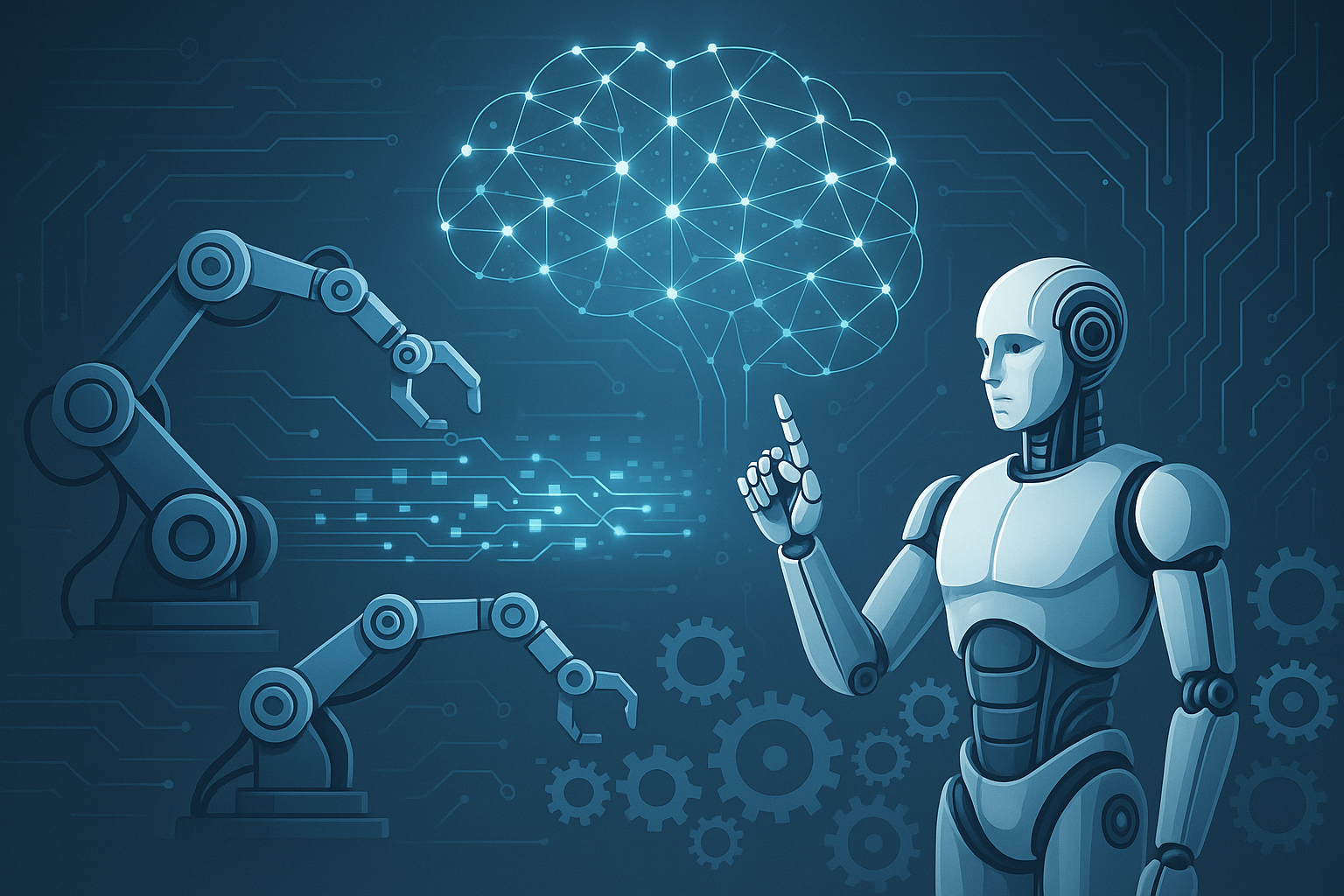
Artificial Intelligence (AI) is no longer just a buzzword; it’s an ever-evolving field that is shaping the future of technology and how we interact with the world. From self-driving cars to virtual assistants like Siri and Alexa, AI is becoming integrated into nearly every aspect of our lives. In this post, we’ll explore what AI is, how it’s impacting different industries, and what the future holds for this groundbreaking technology.
At its core, Artificial Intelligence refers to the simulation of human intelligence processes by machines, especially computer systems. These processes include learning (the ability to improve performance based on experience), reasoning (the ability to make decisions based on data), and self-correction. AI systems can be categorized into two types:
Narrow AI: This type of AI is designed to perform a specific task, such as facial recognition, language translation, or customer service chatbots. It excels at its designated function but cannot perform tasks beyond its programming.
General AI: A more advanced form of AI that aims to understand and perform any intellectual task a human can do. General AI remains a theoretical concept and is the focus of much research, but it is still years away from becoming a reality.
Healthcare:
AI is revolutionizing healthcare by enabling faster diagnoses, personalized treatment plans, and efficient patient management. AI algorithms can analyze medical images, detect patterns, and assist doctors in diagnosing conditions like cancer, heart disease, and neurological disorders. AI-powered tools are also being used to streamline administrative tasks, allowing healthcare providers to focus more on patient care.
Finance:
In the financial sector, AI is enhancing fraud detection, algorithmic trading, and personalized financial advising. Machine learning models can analyze vast amounts of financial data to identify unusual patterns and predict market trends. AI also plays a role in automating routine tasks like customer service, reducing the need for human intervention and improving operational efficiency.
Retail:
AI is transforming the retail industry by improving customer experiences and streamlining supply chains. E-commerce platforms use AI to recommend products based on browsing history and preferences. In physical stores, AI-driven systems can optimize inventory management, track customer behavior, and even provide personalized shopping experiences through virtual assistants and chatbots.
Manufacturing:
AI in manufacturing is enhancing automation, predictive maintenance, and quality control. Smart machines powered by AI can monitor production lines, predict equipment failures before they occur, and ensure consistent product quality. Additionally, AI is helping manufacturers optimize production schedules and reduce waste, ultimately driving cost savings.
Transportation:
AI is also at the heart of the autonomous vehicle revolution. Self-driving cars, trucks, and drones are powered by AI algorithms that help them navigate, detect obstacles, and make decisions in real-time. This technology promises to make transportation safer, more efficient, and accessible to a broader population.
AI is embedded in many everyday technologies that most people take for granted. Virtual assistants like Siri, Alexa, and Google Assistant help us manage tasks, set reminders, and search the internet with simple voice commands. Streaming services like Netflix and Spotify use AI to recommend movies, shows, and music based on our preferences. Even social media platforms leverage AI to curate personalized content feeds and suggest new connections.
AI is also becoming more integrated into the home environment with smart devices such as thermostats, lighting systems, and security cameras. These devices learn from user behavior and adjust their settings automatically, making our homes more energy-efficient and secure.
The potential of AI is limitless, but its growth comes with a set of challenges that must be addressed:
Ethical Concerns: As AI becomes more advanced, it raises questions about bias, fairness, and transparency. AI systems are only as good as the data they are trained on, and if the data is biased, it can lead to unfair outcomes. Ensuring that AI systems are developed and used ethically is crucial to their future success.
Job Displacement: AI and automation are expected to replace certain jobs, especially those that involve repetitive tasks. However, AI also creates new job opportunities in fields like data science, robotics, and AI ethics. The key challenge is to ensure that workers are equipped with the skills necessary to thrive in an AI-driven world.
Security: As AI becomes more integrated into critical systems, such as transportation and healthcare, the security of these systems becomes increasingly important. Ensuring that AI-powered systems are resilient to hacking and cyberattacks is essential to prevent potential disasters.



Artificial Intelligence is transforming every facet of our lives, from how we work to how we live and interact with technology. As AI continues to advance, it has the potential to solve some of humanity’s most pressing problems, from improving healthcare outcomes to addressing climate change. However, it also brings challenges that require thoughtful consideration and responsible development.
The future of AI is exciting, and its impact will only continue to grow. By understanding its potential and preparing for the changes ahead, we can ensure that AI becomes a force for good, helping to create a smarter, more efficient, and more connected world.

At UnametaTech, we help businesses grow by building the right technology solutions. From cloud setups and automation to AI and digital workplaces, we bring over two decades of hands-on experience to every project. Our goal is simple: solve real problems and deliver results that matter.
© 2025 unametatech. Pvt. Ltd. All Rights Reserved.